Monaco Built the Blueprint for Formula 1’s Luxury Era
Long before Formula 1 became a global nexus of sport, fashion, entertainment and luxury, Monaco understood that the race itself was only part of the proposition.
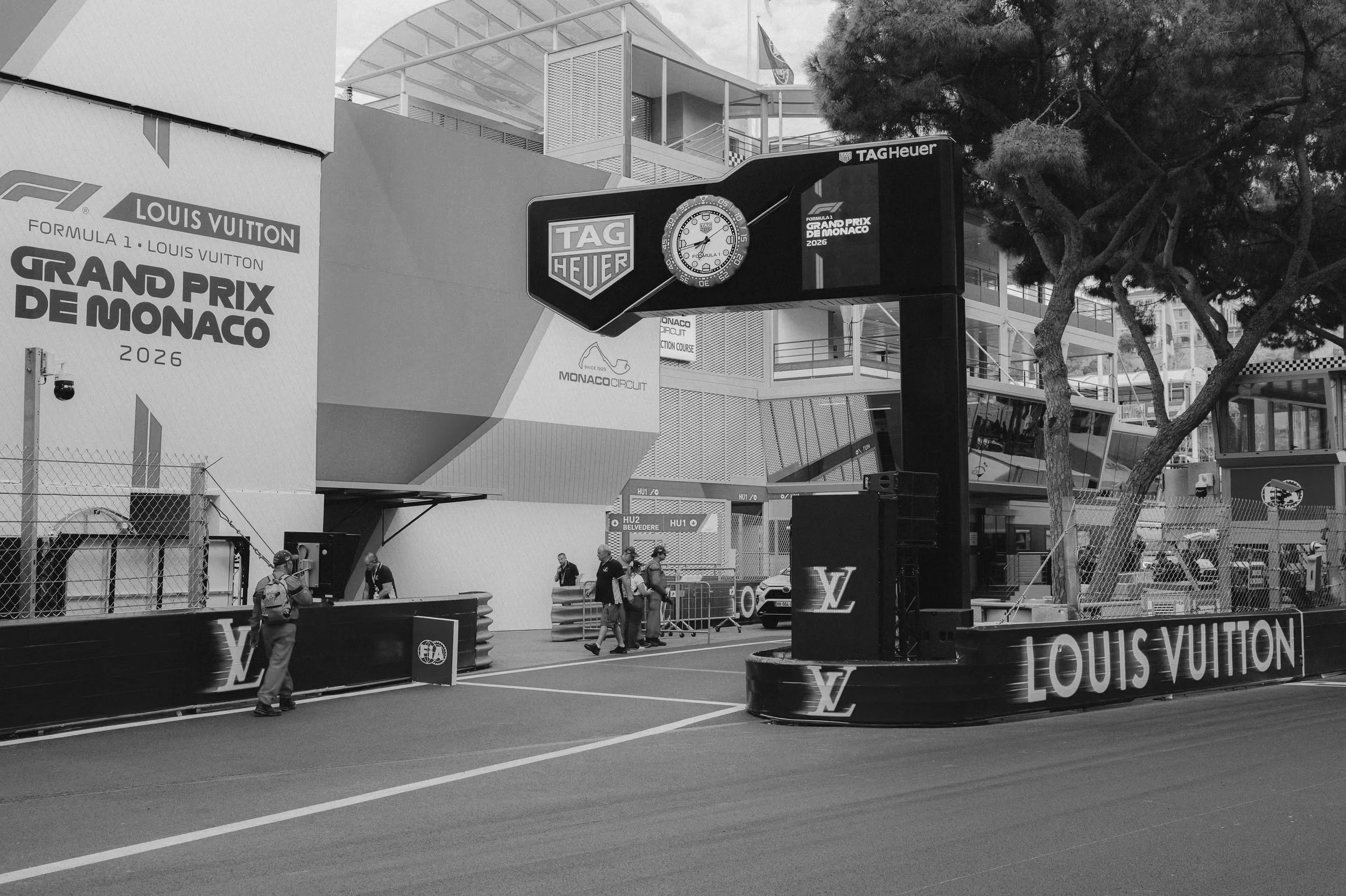
I went to Monaco this year expecting to watch a Formula 1 race. I left thinking about an entirely different question: when did motorsport become one of the most powerful cultural platforms in the world?
Spend a Grand Prix weekend in the Principality and the answer begins to reveal itself.
The race is, of course, the organising principle. But around it sits an extraordinarily sophisticated economy of hospitality, fashion, entertainment, technology, media and private capital. Conversations migrate from the paddock to yachts, restaurants and hotel terraces. Global companies compete for attention not simply through advertising, but through access, experiences and proximity to culture.
It can feel distinctly contemporary. In reality, Monaco has been constructing this model for decades.
BEFORE FORMULA 1 BECAME CULTURE
Formula 1’s transformation over the past several years has been remarkable. The sport has found new audiences, expanded its cultural relevance and attracted an increasingly diverse group of commercial partners. Fashion houses, technology companies and luxury groups now occupy territory once dominated primarily by automotive, tobacco and financial sponsors.
But Monaco anticipated much of this evolution long before the rest of the calendar caught up. The Principality understood something fundamental: the value of a major sporting event extends far beyond what happens on the track.
Here, racing was never isolated from its surroundings. The harbour became part of the theatre. Hospitality became part of the product. The paddock became as much a social and commercial arena as a sporting one. Hotels, restaurants, private residences and yachts became extensions of the event itself.
The result was something more valuable than a race weekend. Monaco created an ecosystem. Today, versions of that model can be seen across Formula 1’s expanding calendar.
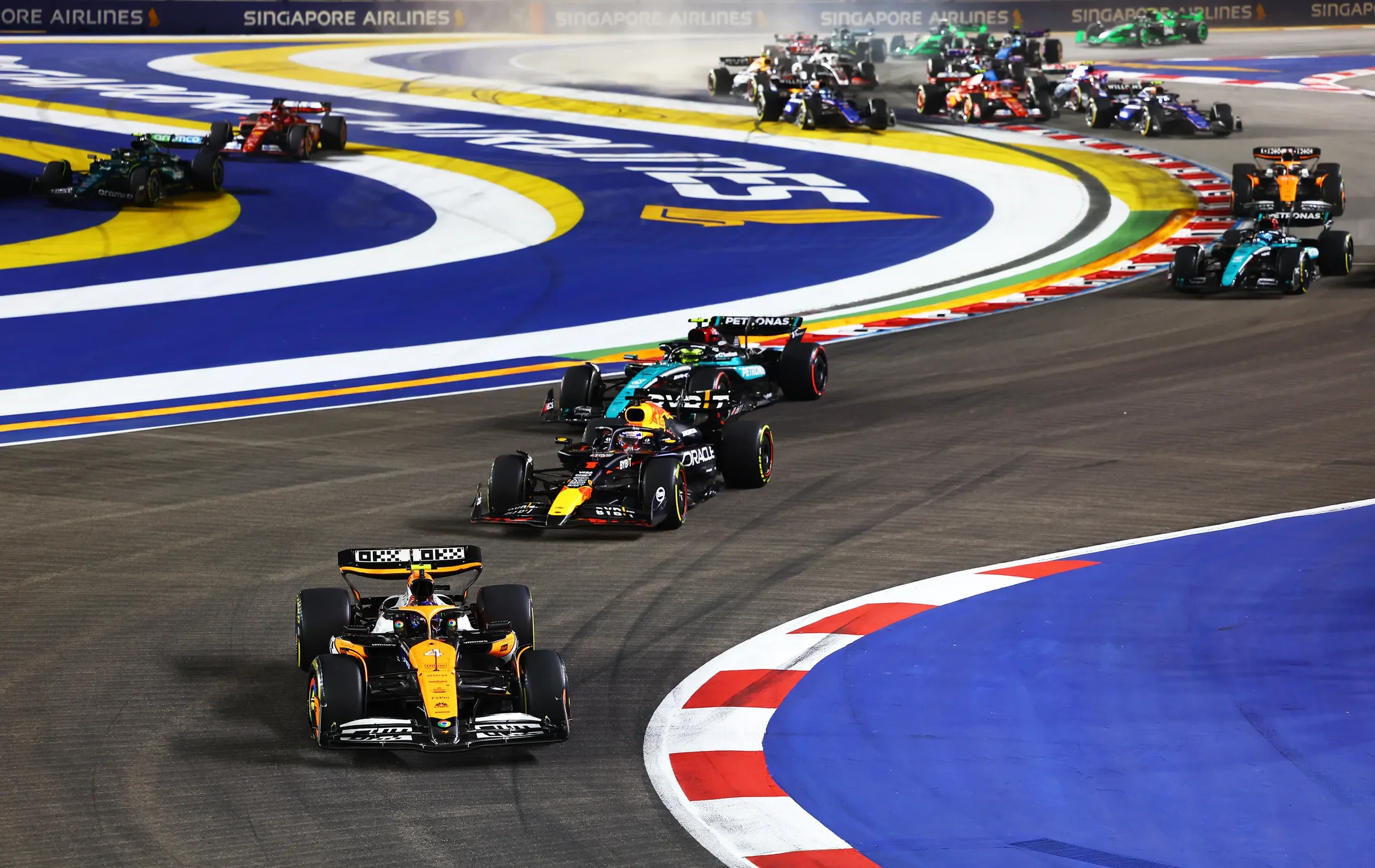
Singapore turns its city centre into a night-time spectacle. Miami combines racing with entertainment and hospitality. Las Vegas has effectively merged Formula 1 with the architecture of the destination itself. Jeddah has used the sport as part of a much broader effort to position Saudi Arabia within global entertainment, tourism and culture.
The executions differ. The underlying principle does not. Formula 1 comes to a city; the city becomes part of Formula 1.
Monaco understood that early.
LUXURY ENTERS THE PADDOCK
The evolution is particularly significant for luxury.
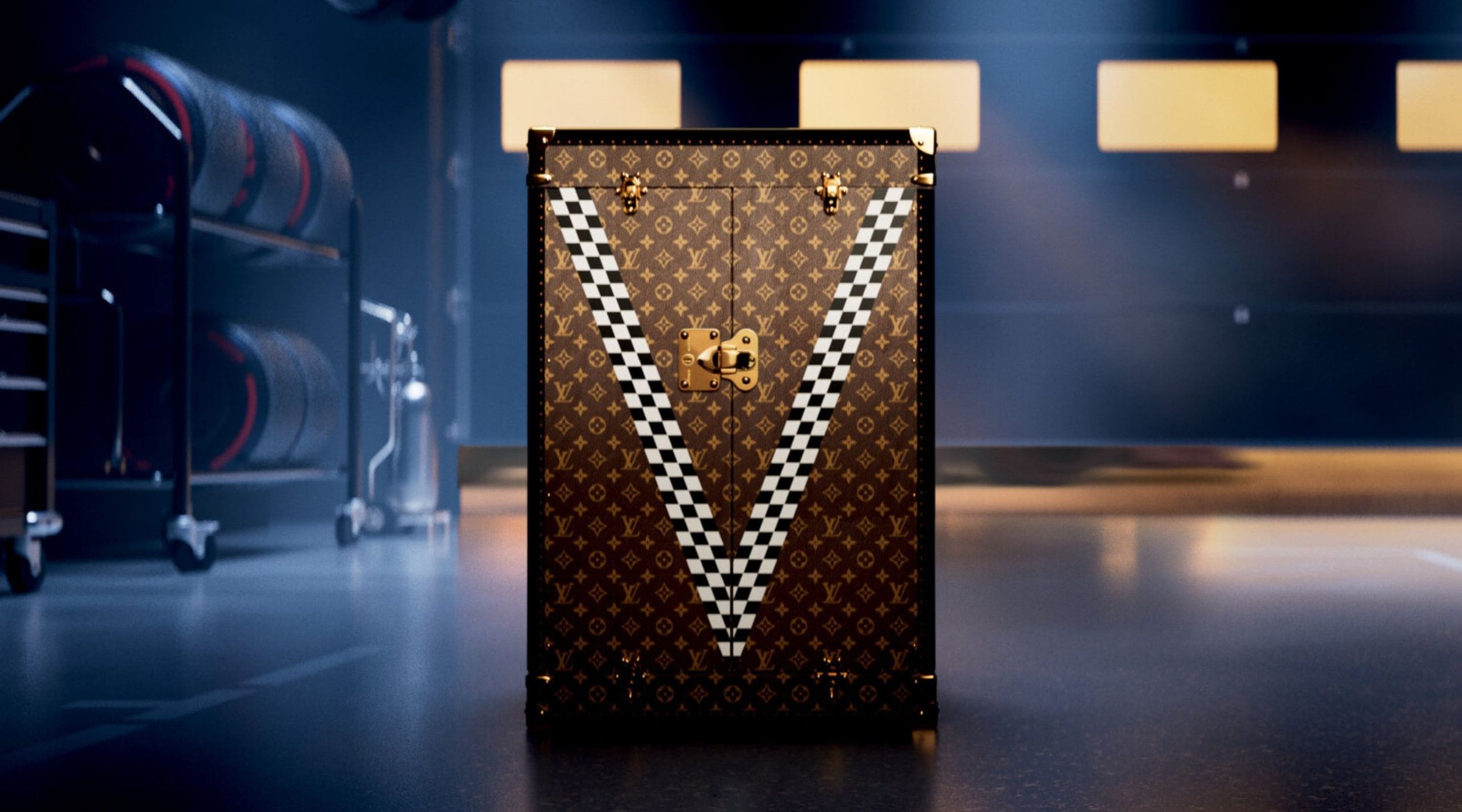
The arrival of LVMH as a major Formula 1 partner represents more than another sponsorship agreement. It reflects a deeper alignment between two industries that increasingly trade in many of the same currencies: heritage, scarcity, craftsmanship, performance, access and global cultural relevance.
At Monaco, that relationship was especially visible.
Louis Vuitton’s presence around the Grand Prix demonstrated how naturally luxury can operate inside the Formula 1 ecosystem when the partnership extends beyond conventional brand exposure. The objective is not simply to put a logo beside a racetrack. It is to connect the codes of one institution with those of another. That distinction matters.
For years, marketers have spoken about “experiential” brand building, often reducing the idea to an event, installation or temporary activation. Formula 1 demonstrates something more sophisticated.
The strongest brands do not simply create experiences around their products. They create worlds in which those products make sense.
Monaco provides an unusually concentrated version of this phenomenon. Over the course of a few days, restaurants become hospitality platforms. Hotels become networking infrastructure. Yachts become private brand environments. Fashion, music, food, sport and business move through the same physical and social space.
The consumer is no longer standing outside the brand looking in. They are inside the world.
FROM AUDIENCE TO PARTICIPANT
This shift has implications well beyond motorsport. Luxury has traditionally been exceptionally good at creating desire through distance: the inaccessible campaign, the immaculate store, the carefully controlled image.
But contemporary consumers increasingly want another form of luxury alongside it — proximity. They want to enter the restaurant, attend the race, stay at the hotel, meet the community, understand the story and participate in the culture surrounding the object.
That does not mean exclusivity has disappeared. Quite the opposite. Access itself has become one of luxury’s most valuable products.
Formula 1 is particularly adept at monetising this dynamic because it operates simultaneously at enormous scale and extraordinary levels of exclusivity. Millions can watch the same race, while radically different experiences exist within it — from the grandstand to the paddock, from corporate hospitality to a yacht overlooking the harbour.
One event can therefore create both mass cultural relevance and extreme scarcity. For luxury executives, that combination should be interesting.
THE EXPERIENCE ECONOMY IS BECOMING AN ECOSYSTEM ECONOMY
I have spent much of my career moving between technology and image — two disciplines that are often discussed separately but increasingly shape one another.
Technology changes how experiences are built, distributed and measured. Image determines whether people desire them in the first place.
Formula 1 sits unusually comfortably between the two.
It is technologically sophisticated by definition, but its recent commercial expansion has also depended on understanding storytelling, entertainment, identity and culture. Engineering creates the competition. Culture expands its value.
This is why I think the conventional language of the “experience economy” is beginning to feel insufficient.
An experience is something a consumer attends.
An ecosystem is something they enter.
The most sophisticated brands are increasingly constructing the latter: interconnected environments spanning physical spaces, digital platforms, hospitality, content, community, commerce and cultural partnerships.
Seen through that lens, Formula 1 is not simply a sponsorship opportunity for luxury brands. It is infrastructure for world-building.
And Monaco remains its purest expression.
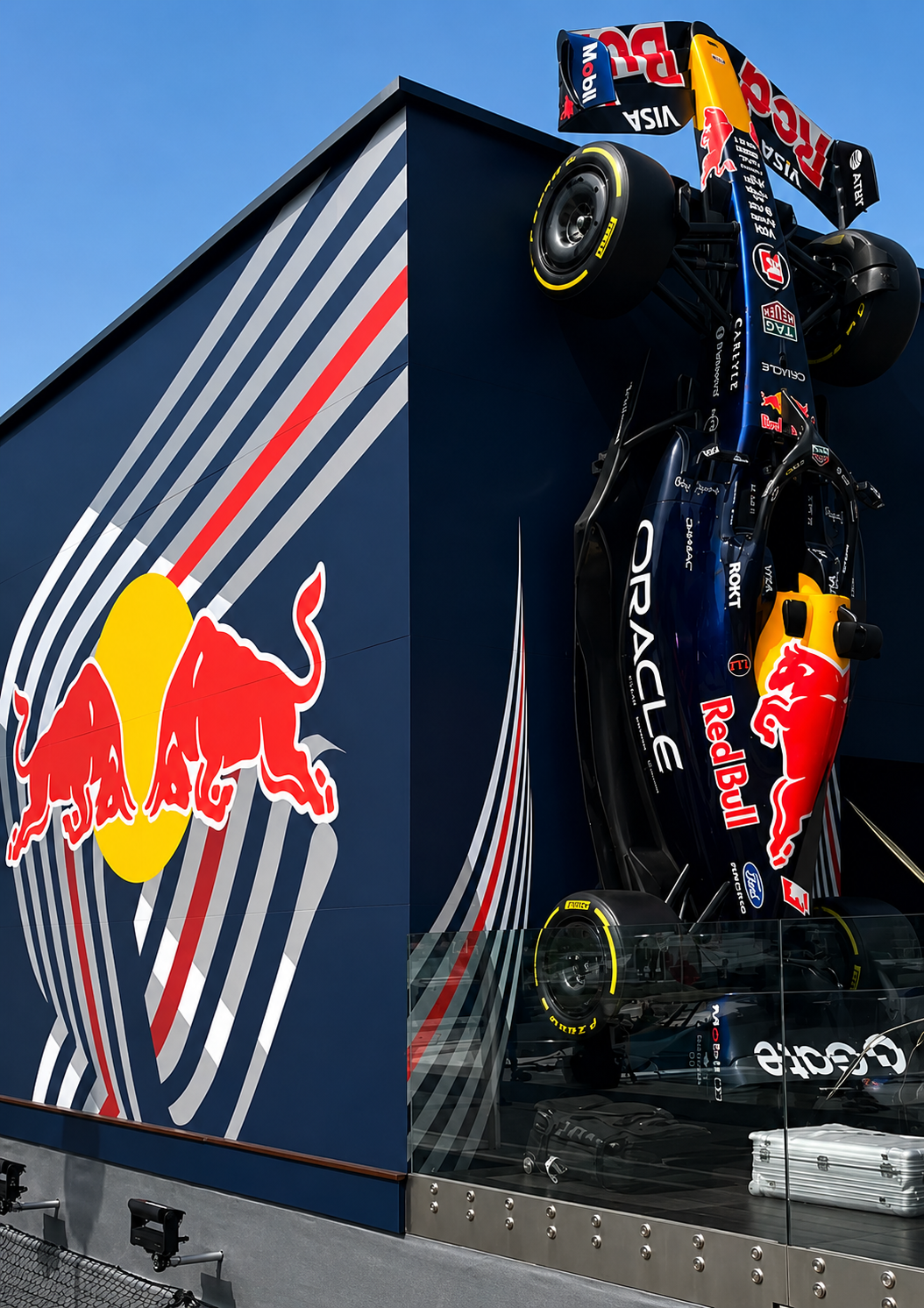
Oracle Red Bull Racing, courtesy of Evangelina Fysa x Bungalow 28
WHAT MONACO TAUGHT ME
There was a personal dimension to the weekend too.
Attending the Monaco Grand Prix had been a dream of mine for years. Yet some of the moments I remember most clearly happened away from the cars: conversations over dinner, watching how people moved between seemingly separate worlds, observing the choreography required to make an international event of this complexity feel almost effortless. That last point stayed with me.
We tend to experience luxury through its finished surface. What we don’t see is the system underneath it: the logistics, technology, partnerships, people, decisions and extraordinary attention to detail required to produce something that ultimately feels simple.
The same is true of Formula 1. Speed is what we see. Precision is what makes it possible.
Perhaps that is Monaco’s more enduring contribution to the sport. It showed that performance and culture need not occupy separate worlds; that hospitality can amplify competition rather than distract from it; and that commercialisation, when orchestrated intelligently, can enlarge the mythology surrounding an institution.
Nearly a century after cars first raced through its streets, Monaco still feels less like an anomaly on the Formula 1 calendar than a preview of where the sport was always capable of going.
The rest of the world is simply catching up.
Images courtesy of formulaone.com, bungalow28.com and lvmh.com