When Fandom Crosses the Line
Baku exposed an uncomfortable consequence of Formula One’s cultural expansion: as fandom becomes identity, the line between sporting criticism and personal attack is becoming increasingly difficult to police.
Formula One has always been built on rivalry.
Drivers compete at more than 300 kilometres per hour. Teams spend hundreds of millions pursuing fractions of a second. Championships are won and lost by decisions made under extraordinary pressure. Emotion is not an unfortunate by-product of the sport; it is part of what makes it compelling.
But the Azerbaijan Grand Prix exposed a different kind of rivalry — one playing out far beyond the circuit.
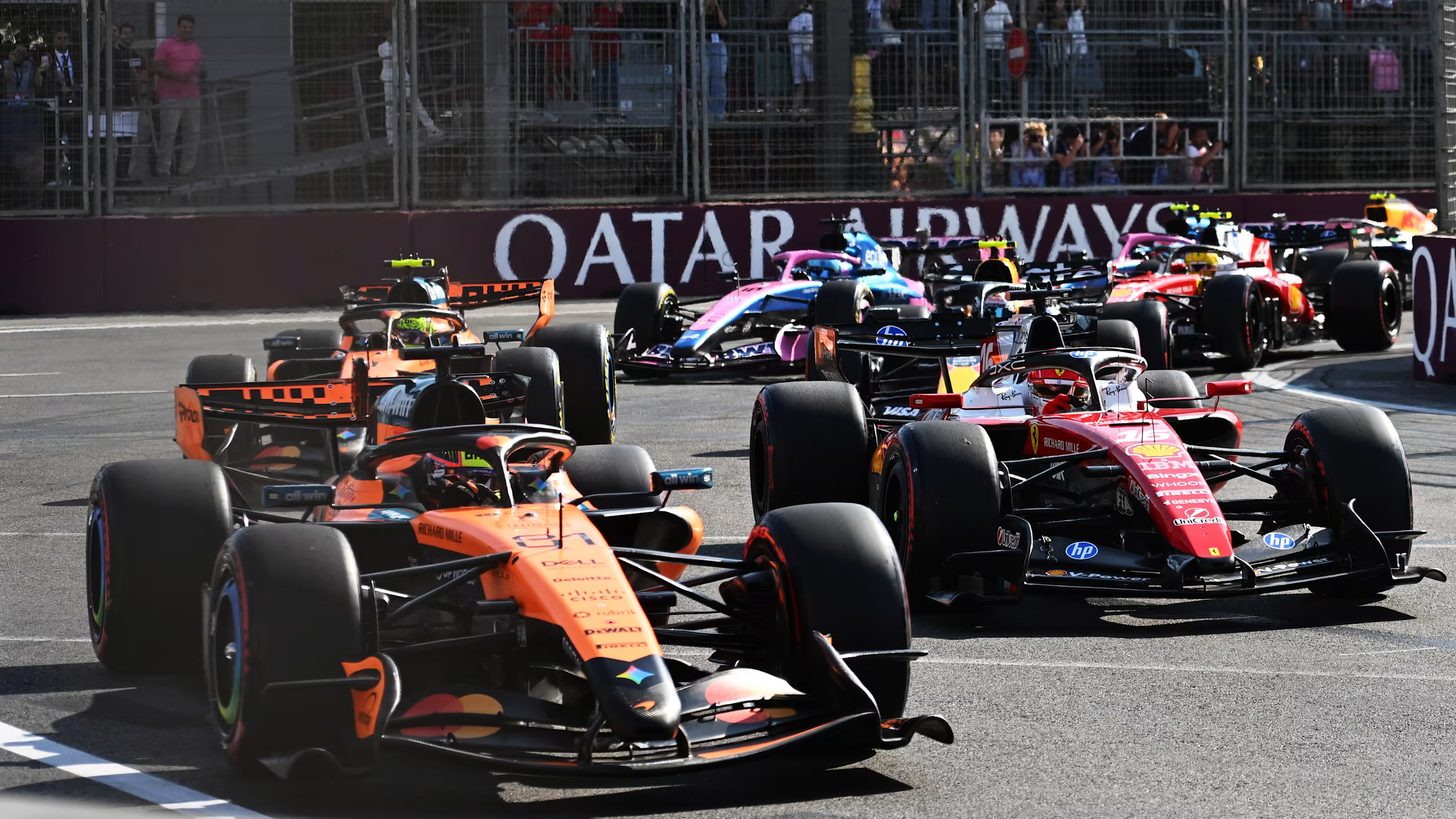
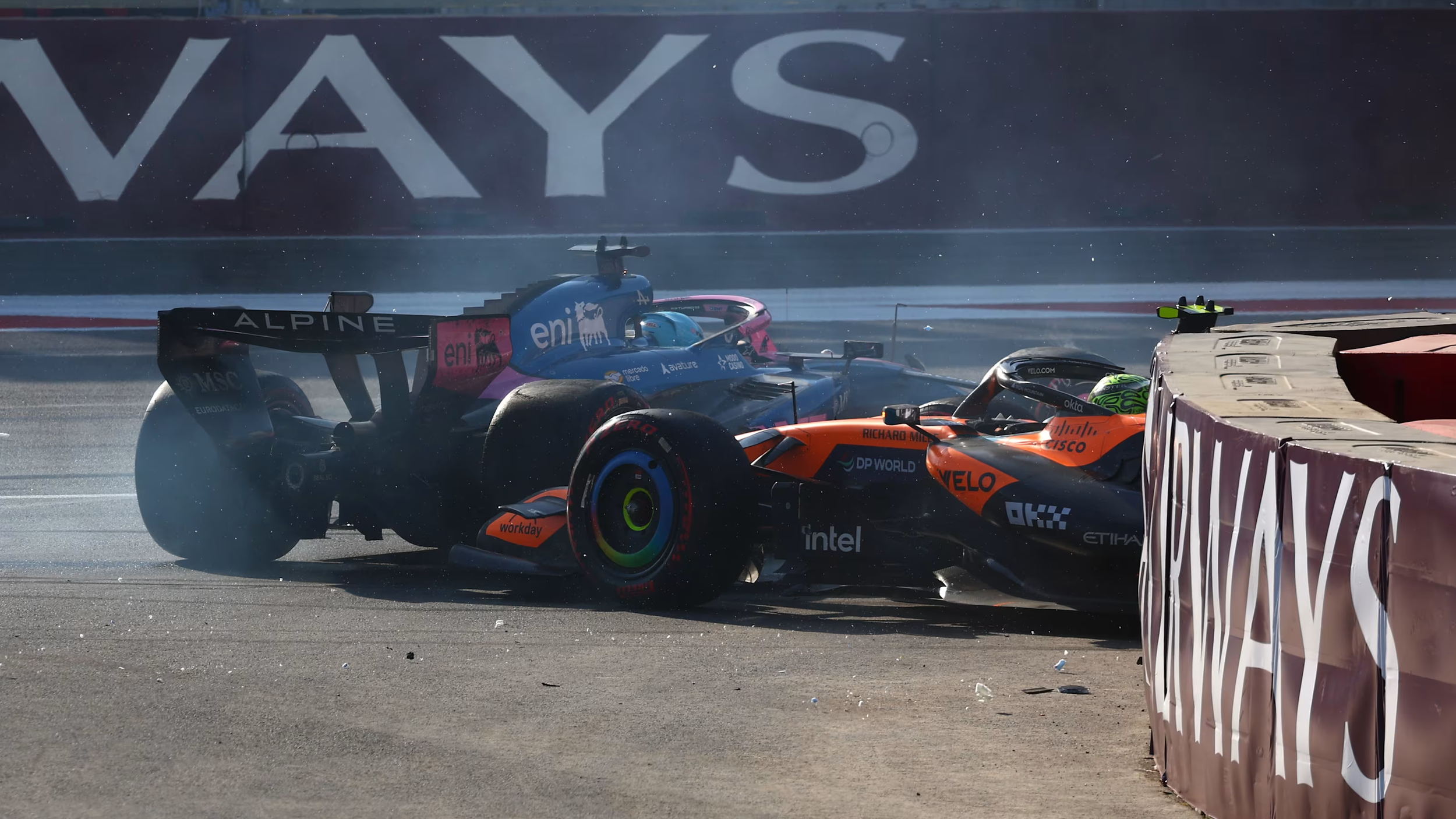
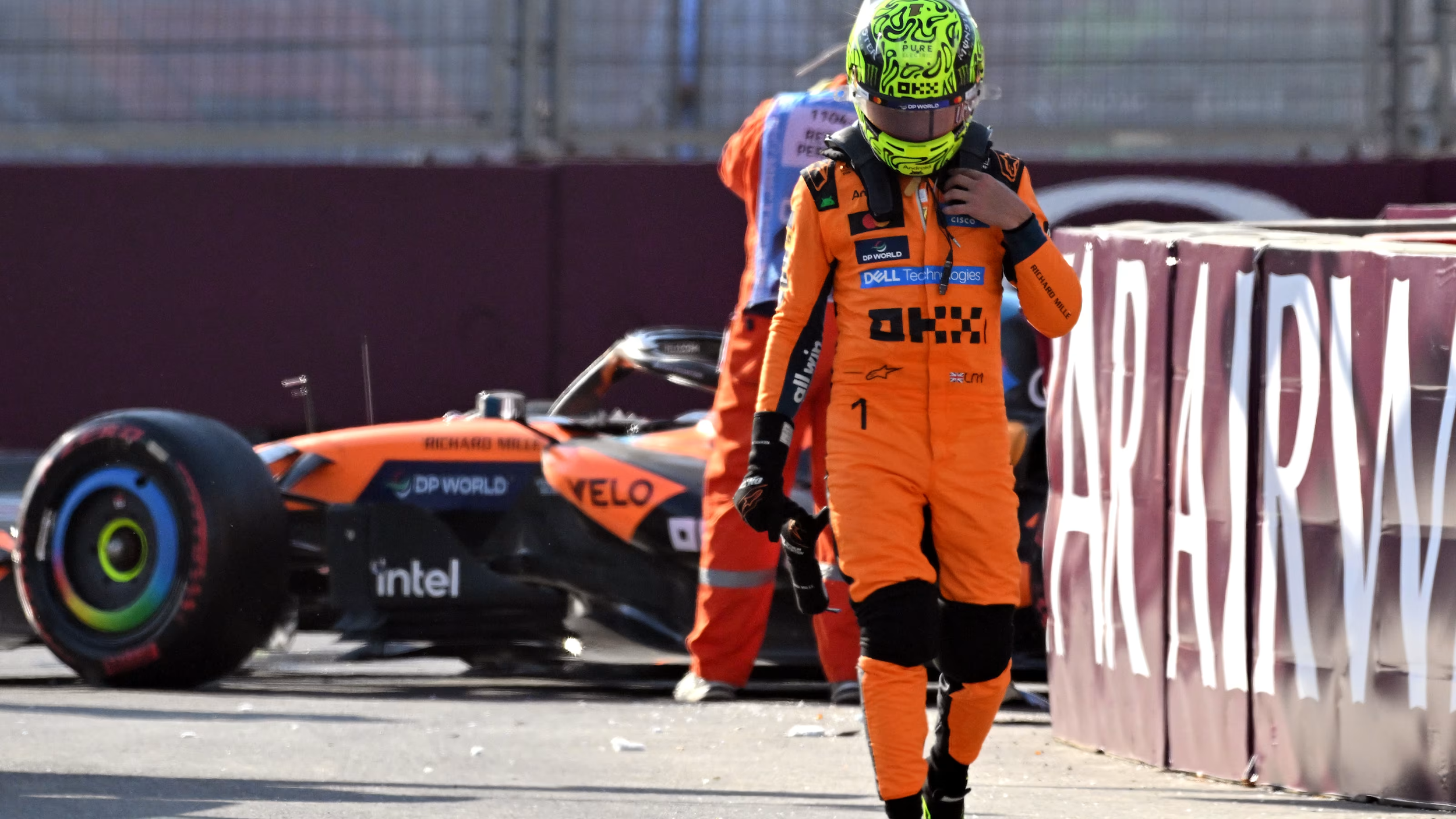
During the Safety Car restart in Baku, Franco Colapinto arrived too quickly into Turn 1, locked up and collided with his Alpine team-mate Pierre Gasly, whose car was subsequently pushed into Lando Norris. All three retired. Colapinto accepted responsibility for the mistake and apologised; Norris, speaking in the immediate aftermath, was considerably less measured.
He suggested that some drivers did not belong in Formula One and argued that an incident of this kind should warrant a race ban. Two days later, Norris apologised directly to Colapinto, acknowledging that his comments had crossed a line.
That could have been the end of it.
It wasn't.
Within minutes, the argument migrated from Baku to social media. What began as legitimate debate over driving standards quickly escalated into personal attacks and abuse. There is an important distinction here: Norris's original comments can be criticised. A world champion publicly suggesting that another driver does not belong in Formula One carries weight, particularly when delivered before emotions have settled. Norris himself ultimately recognised that.
But disagreeing with someone does not grant an audience permission to dehumanise them.
That distinction increasingly seems to disappear online.
Social platforms have given fans unprecedented proximity to athletes. We see their preparation, their celebrations, their mistakes, their relationships with teams and, increasingly, their personalities away from competition. Formula One has benefited enormously from this collapse in distance. Drivers are no longer simply names behind visors; they are global personalities surrounded by communities numbering in the millions.
That intimacy is commercially extraordinary. It can also create the illusion of ownership.
The most powerful modern fan communities do more than follow athletes. They identify with them. A criticism of the driver becomes a criticism of the community. A collision becomes injustice. A sporting rival becomes an antagonist. And algorithms designed to reward engagement have little incentive to distinguish between enthusiasm and hostility.
The result is an uncomfortable paradox for Formula One: the same digital culture that has helped transform the championship into a global entertainment property can amplify its ugliest impulses.
For teams, sponsors and rights-holders, that makes online fandom more than a moderation problem. It is increasingly a question of brand governance.
Passion creates reach, relevance and cultural capital. But scale without behavioural boundaries can create reputational consequences for organisations that do not control the individuals generating them. And responsibility cannot sit exclusively with drivers. Teams shape communities. Media shapes narratives. Platforms determine what receives distribution. Sponsors benefit from attention. Fans determine what kind of culture that attention ultimately creates.
Everyone participates in the ecosystem.
Perhaps the most revealing part of Baku came after the anger. Colapinto admitted his mistake. Norris admitted his words were wrong. The two spoke privately and, according to Norris, reached an understanding.
In other words, the people actually involved were capable of doing something social media often struggles to accommodate: moving on. Sport requires disagreement. Formula One would be considerably less interesting without rivalry, tribalism and argument. Fans should be able to criticise a mistake. They should be able to disagree with a driver. They should even be able to believe a penalty was too lenient or a comment unacceptable.
But there is a difference between holding an opinion and treating another human being as though their visibility makes them public property. As Formula One's audience continues to grow, protecting the culture around the sport may become as important as expanding it.
Because fandom should make sport bigger. It should not make the people inside it smaller.